Enjoy free shipping with every purchase on orders over €130.

The Modern Man’s Sleep Gap: What Late Nights Are Doing to Your Skin
You can get away with a lot at 25.
Two hours of sleep? Fine.
A 1 a.m. dinner? Fine.
Partying and going to work the next day? Sure.
Scrolling until 2:17 a.m. because you were absolutely going to put your phone down five minutes ago? Apparently also fine.
But as we get older, recovery doesn’t always come quite as easily. That includes the skin.
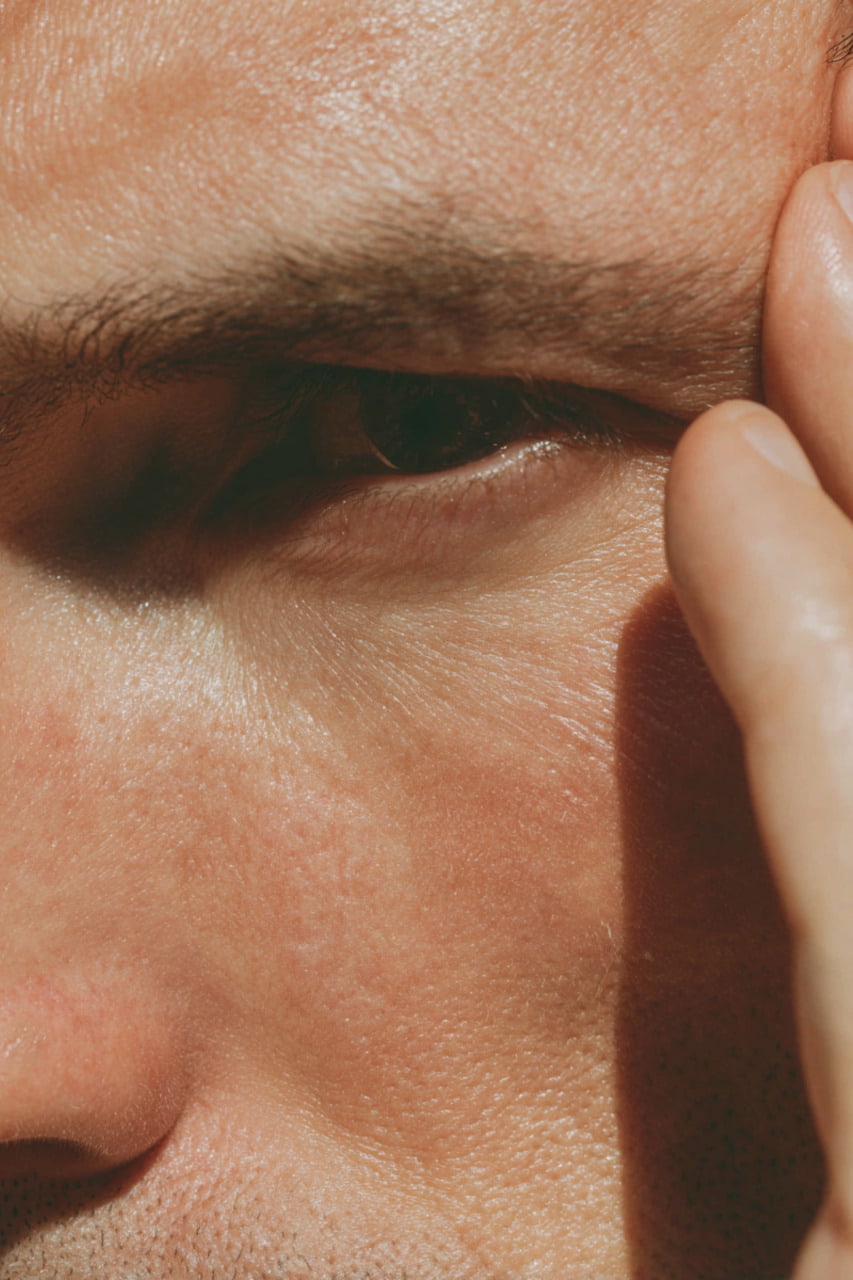
You look in the mirror the next morning. The eyes are usually the first to give you away. Darker circles. Puffiness. A face that looks a little flatter, duller and more tired than it did yesterday.
Your skin has a clock.
And modern life has a habit of messing with it.
The modern man’s sleep gap
Your body runs on a roughly 24-hour biological cycle known as the circadian rhythm. It helps coordinate sleep and wakefulness, hormone production, metabolism, body temperature and countless other processes.
And your skin isn’t sitting outside this system waiting for instructions.
Skin has its own circadian clock.
Clock proteins—including CLOCK, BMAL1, PER and CRY—form the core molecular machinery of this internal clock. They help regulate processes involved in skin-cell activity, barrier function, DNA repair, antioxidant defence and regeneration. Research increasingly shows that disrupting these rhythms can affect how the skin maintains and repairs itself.
What are CLOCK, BMAL1, PER and CRY?
CLOCK, BMAL1, PER and CRY are the core proteins that help run the body’s 24-hour circadian clock. Think of them as a tiny timing system inside your cells.
- CLOCK + BMAL1 act like the “on” switch. They activate genes involved in the body’s daily processes.
- PER + CRY act like the “off” switch. They build up over time and help shut those genes back down.
- Then PER and CRY break down, the cycle starts again, and the process repeats roughly every 24 hours.
This internal cycle helps your skin coordinate important jobs such as cell renewal, barrier maintenance, DNA repair and protection against oxidative stress.
So when your bedtime moves from 11 p.m. to 1 a.m., and then 2 a.m., while your alarm remains stubbornly at 7, the problem isn’t only that you’re tired.
So what happens when your circadian rhythm is disrupted?
Your internal clock works best when your daily routine broadly matches the natural day-night cycle.
But late nights, irregular sleep, night shifts, jet lag and exposure to bright light at night can throw that timing off.
Instead of the skin’s biological processes happening at their usual times, the signals can become mistimed or less coordinated.
Think of it like an orchestra where everyone still knows their part—but the conductor’s timing is off.
The skin appears to be particularly sensitive to changes in this biological timing. Circadian disruption has been associated with changes in processes including:
- Skin-barrier function — circadian rhythms help regulate the skin’s protective barrier.
- Hydration — changes in barrier function can affect the skin’s ability to maintain moisture.
- DNA repair — some repair processes are strongly tied to the circadian cycle.
- Cell renewal — the timing of skin-cell growth and turnover is influenced by circadian signals.
- Antioxidant defence — circadian mechanisms help coordinate the skin’s response to oxidative stress.
- Inflammation — circadian rhythms also interact with immune and inflammatory signalling.
So when you regularly stay up late and sleep at inconsistent times, it’s not simply that you’re getting fewer hours of sleep.
You’re potentially disrupting the timing system that helps your skin coordinate when to repair, renew and protect itself.
Less sleep → less recovery
Then there’s the more obvious problem: you’re simply not sleeping enough.
Sleep deprivation has been shown to produce visible changes in facial appearance.
In one experimental study, people who had undergone sleep deprivation were judged to have more swollen eyes, darker circles, drooping eyelids, redder eyes, paler skin and more visible wrinkles and fine lines. They were also perceived as looking more tired and less healthy.
Another study found that even short-term sleep restriction affected skin, including lower hydration and increased transepidermal water loss, alongside changes in the skin’s physical properties.
Longer-term sleep restriction has also been associated with reductions in skin hydration and worsening of measures including gloss, transparency, elasticity and wrinkles.
The modern man’s sleep gap
So, what’s actually happening when you stay up late?
It looks something like this:
LATE NIGHT
You push bedtime later.
↓
CIRCADIAN DISRUPTION
Your lifestyle gets out of sync with your biological clock.
↓
LESS / IRREGULAR SLEEP
The body has less opportunity for normal overnight recovery.
↓
SKIN BARRIER + HYDRATION
Skin physiology can be affected, including hydration and barrier-related processes.
↓
DULL, TIRED-LOOKING SKIN
The complexion can look less radiant and the skin less fresh.
↓
THE EYE AREA GIVES YOU AWAY
Dark circles. Puffiness. Fine lines. Tired-looking eyes.
The eye area shows it first
The skin around the eyes is thin and structurally different from many other facial areas.
And sleep deprivation produces some of the most immediately noticeable changes around the eyes.
Dark circles.
Puffiness.
Swollen eyelids.
Drooping eyelids.
Red eyes.
Which makes the eye area a particularly good place to focus on when your goal is to make tired-looking skin look more rested.
What if we could support the skin’s own clock? Meet chronobiology skincare
This is where skincare gets a little more interesting than “put moisturizer on before bed.”
Researchers have been investigating whether topical cosmetic ingredients can influence circadian pathways and help skin cope with the effects of disrupted biological rhythms.
Research into skin chronobiology has identified circadian regulation of processes including DNA repair, epidermal renewal, barrier function and immune responses. More recent cosmetic research is exploring whether specific actives can influence these pathways and help reduce visible signs associated with fatigue.
The idea isn’t to replace sleep.
It’s to support the skin’s ability to function within a modern lifestyle that isn’t always perfectly synchronized with biology.
We found two innovative bioactives designed to help care for the delicate skin around the eyes and help you wake up looking fresher and more rested.
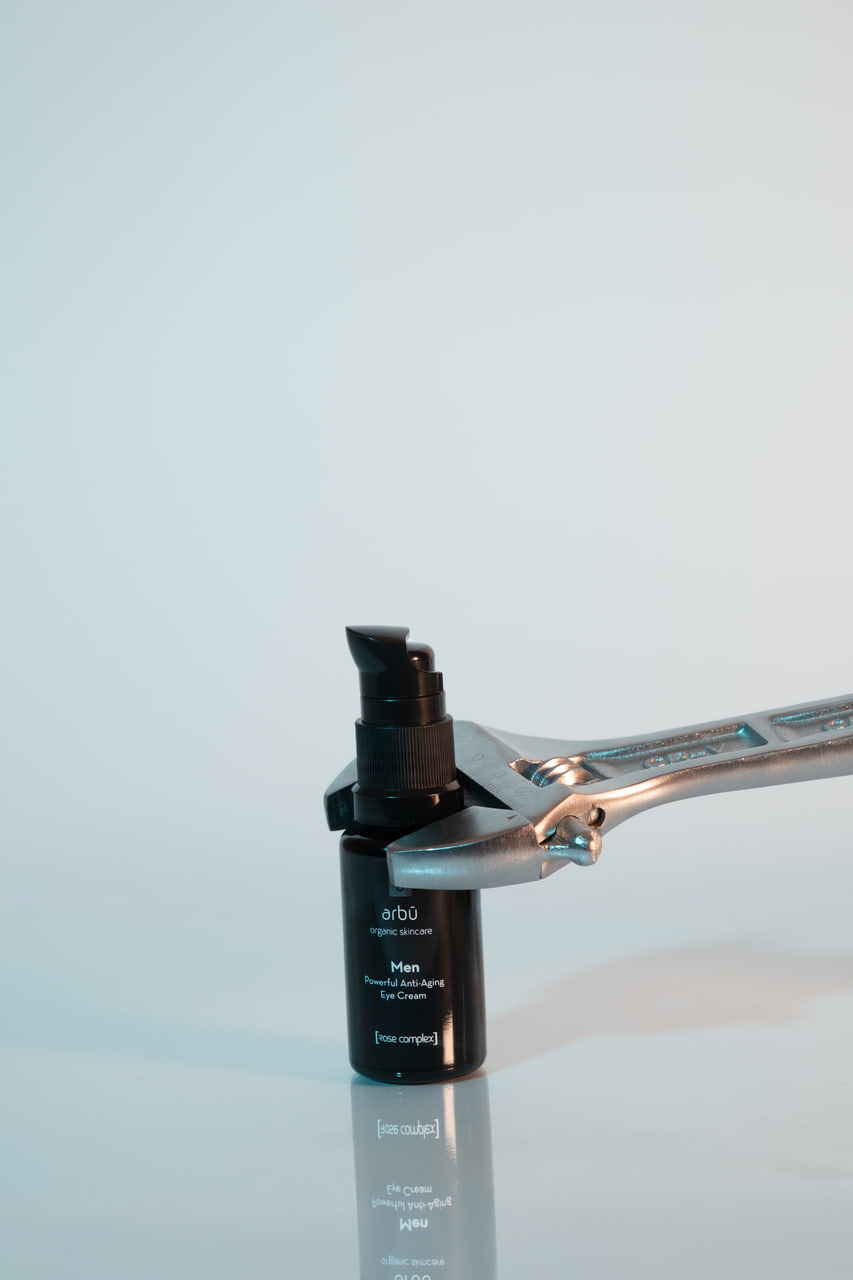
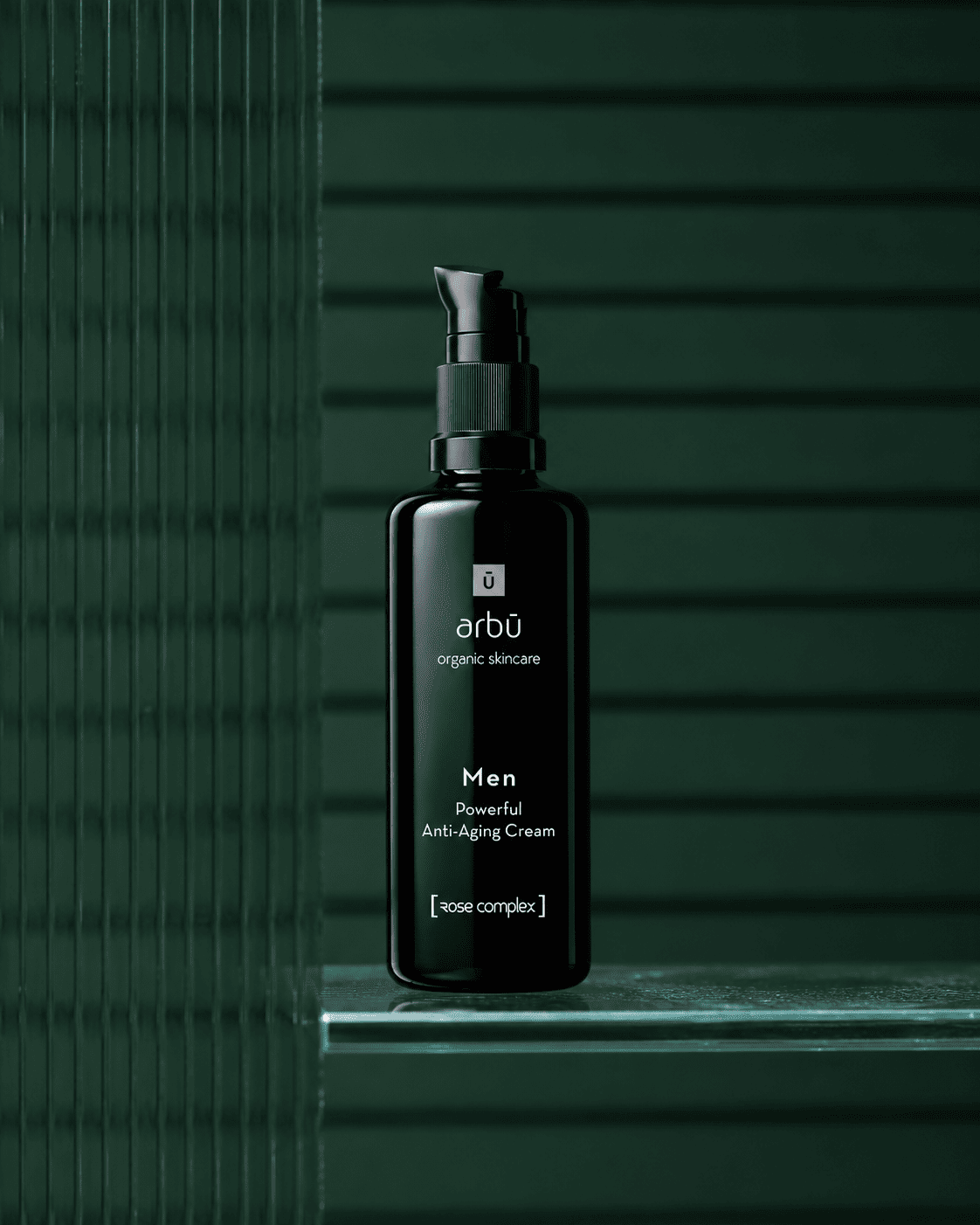
We’ve combined them in our Powerful Anti-Aging Eye Cream.
CIRCALYS®
Inspired by Ayurveda, CIRCALYS® contains an extract of Andrographis paniculata, standardized in andrographolide.
Developed around the concept of skin chronobiology, CIRCALYS® is designed to help counter the visible effects of fatigue associated with modern, irregular lifestyles.
According to the ingredient’s manufacturer, CIRCALYS® works by modulating skin circadian rhythms and related cellular pathways. It has been clinically tested in night and shift workers, with reported reductions in visible signs of fatigue including eye bags, dark circles, under-eye wrinkles and dull tone after 28 days.
The ingredient is also designed to support skin vitality and resilience against cellular stress.
The reported ingredient-level research includes effects on markers associated with cellular longevity, antioxidant defence, DNA damage and cellular stress.
In other words, CIRCALYS® is designed around a simple idea:
Your lifestyle may be off schedule. Your skincare doesn’t have to be.
EYEBRIGHT EXTRACT
Traditionally used to soothe tired eyes, Eyebright Extract is a botanical ingredient valued for its soothing and antioxidant properties.
Rich in flavonoids, tannins and other polyphenols, Eyebright has demonstrated antioxidant activity in laboratory research, supporting its role as a protective botanical in skincare.
In an eye cream, its role is simple: help care for the delicate eye area, calm the appearance of tired-looking skin and support a smoother, fresher-looking appearance.
Insert Men eye cream here
Together with CIRCALYS®, it gives the formula a two-part approach to tired-looking eyes:
circadian support + targeted soothing care.
You can’t outsmart sleep with skincare.
If you’re consistently running on five hours a night, the best thing you can do for your skin is still to get more sleep.
But modern life isn’t always that cooperative.
Late meetings happen. Flights happen. Deadlines happen. And sometimes it’s simply 1:43 a.m. and you’re still scrolling.
You can’t always control when the night ends. But you can give your skin the support it needs when your schedule gets out of sync.
So when tomorrow’s early start follows tonight’s late finish, reach for targeted care designed to help your skin look fresher, brighter and more rested—even when you didn’t quite get the memo about going to bed early.